
What Break-In Damage Actually Looks Like — and Why It Matters
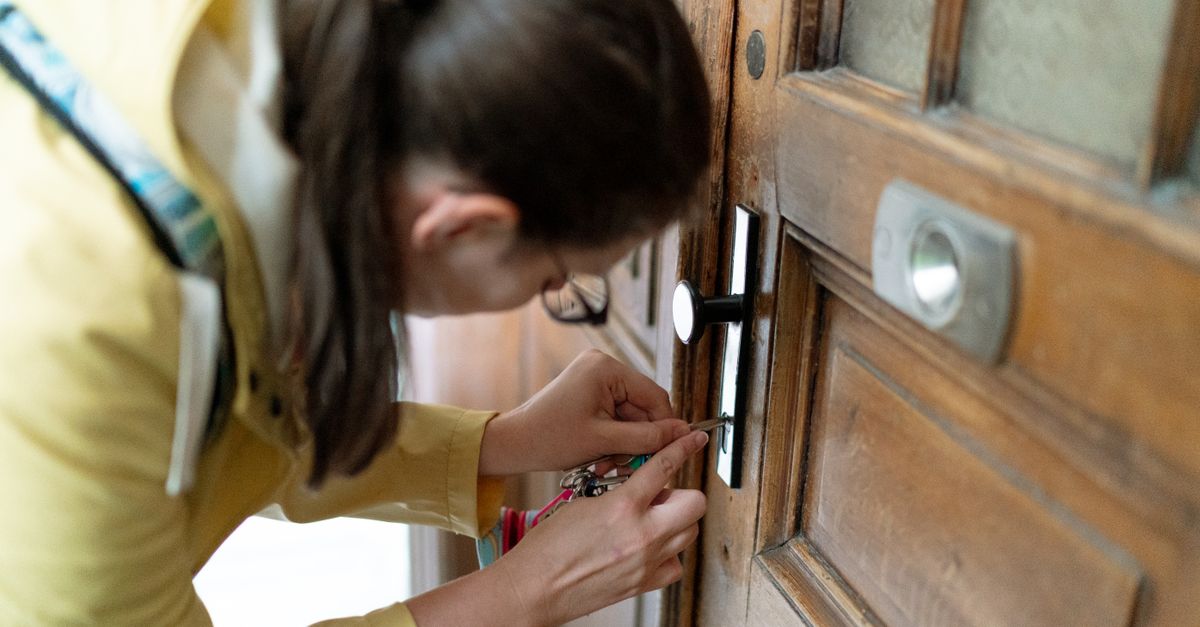
Burglars rarely enter cleanly. The most common forced-entry methods target the weakest points in a door assembly: the strike plate, the door frame itself, or the lock cylinder. A door knob lock — the kind found on millions of residential interior and exterior doors — is among the easiest hardware for an intruder to defeat because the latch bolt offers minimal resistance to a hard kick or a credit-card shimmy. If your entry point had only a knob lock and the frame gave way, the damage often extends beyond the lock itself to the jamb, the stop molding, and sometimes the hinge side of the door. Repairing just the lock without addressing the frame leaves the same vulnerability in place.
Mortise locks, by contrast, are set into a deep pocket routed into the door edge and are far more resistant to blunt force. However, if someone did manage to break into a mortise lock — typically by attacking the cylinder or the trim hardware — the internal mechanism, the cam, and the faceplate may all need attention. Our technicians are experienced with both older mortise lock systems common in Vancouver's mid-century commercial buildings and modern high-security variants. We carry a wide range of replacement cylinders, strike plates, deadbolts, and lock bodies on our mobile units so most repairs happen in a single visit.